

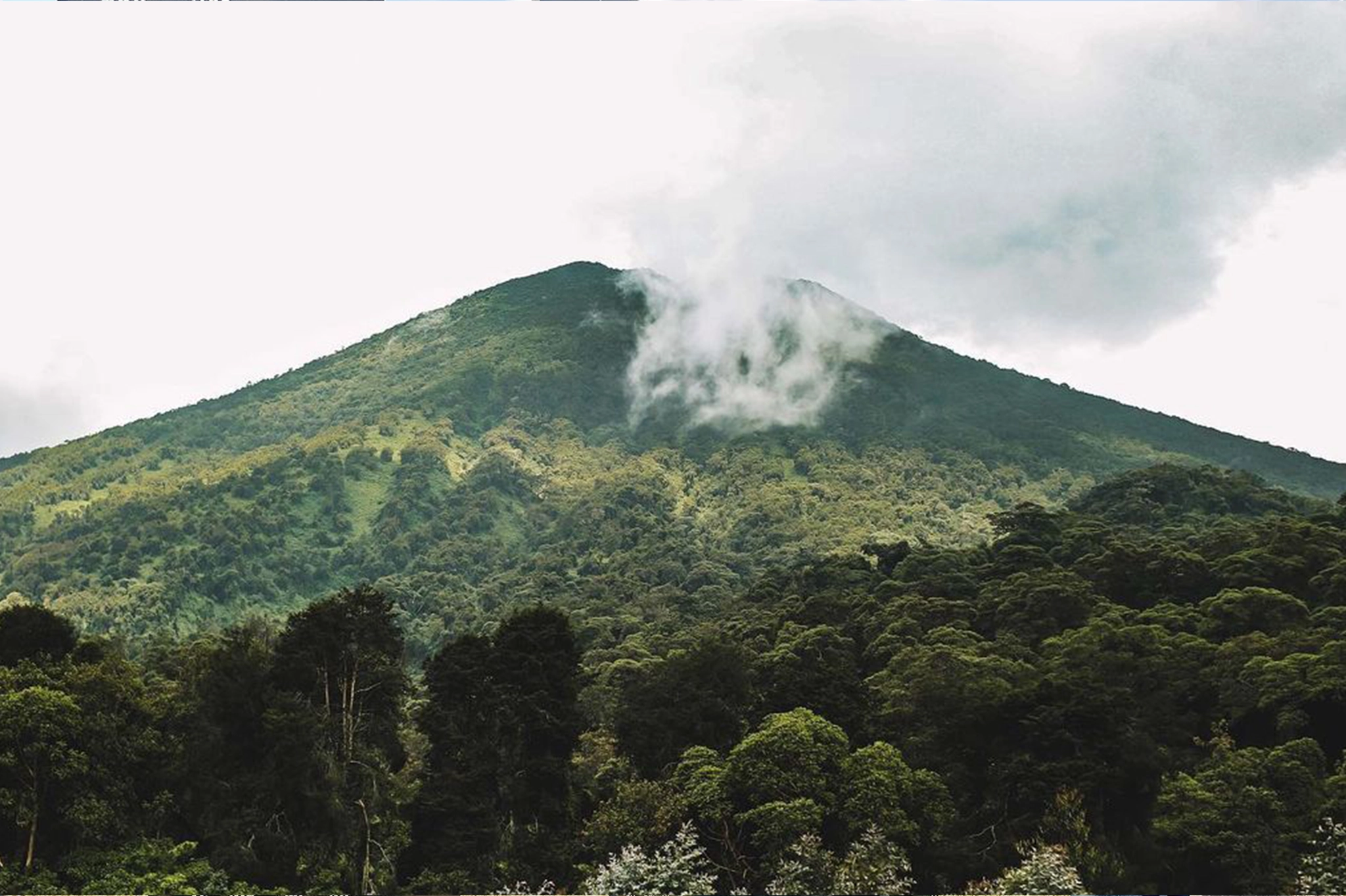
Nestled in the northwestern corner of Rwanda, Volcanoes National Park is one of Africa’s most iconic wildlife destinations and the country’s most famous national park. Covering approximately 160 square kilometers, the park protects a section of the magnificent Virunga Mountains, a chain of volcanoes that stretches across Rwanda, Uganda, and the Democratic Republic of Congo.

Established in 1925, Volcanoes National Park is Africa’s oldest national park and is internationally renowned for its mountain gorillas, breathtaking volcanic landscapes, and remarkable conservation success. The park gained global recognition through the pioneering work of primatologist Dian Fossey, whose efforts helped bring attention to mountain gorilla conservation and inspired ongoing protection programs that continue today.

With its mist-covered volcanoes, dense bamboo forests, rich biodiversity, and unforgettable wildlife encounters, Volcanoes National Park offers one of the most extraordinary safari experiences in Africa.

Location and Landscape

Volcanoes National Park is located in Rwanda’s Northern Province, near the town of Musanze, approximately 2 to 3 hours by road from Kigali. Its convenient location makes it one of the most accessible gorilla trekking destinations in Africa, allowing visitors to reach the park easily while enjoying scenic views of Rwanda’s rolling hills and countryside along the way.

The park forms part of the greater Virunga Conservation Area, a vast transboundary ecosystem shared by Rwanda, Uganda, and the Democratic Republic of Congo. This protected region is renowned for its rich biodiversity and serves as one of the last remaining strongholds for the endangered mountain gorilla.

Covering approximately 160 square kilometers, Volcanoes National Park encompasses five of the eight majestic Virunga volcanoes: Mount Karisimbi, Mount Bisoke, Mount Muhabura, Mount Gahinga, and Mount Sabyinyo. These towering volcanic peaks dominate the landscape, rising above dense forests and creating a dramatic backdrop for wildlife adventures.

The park’s varied terrain supports a range of habitats, including bamboo forests, montane rainforests, open grasslands, swamps, and alpine vegetation found at higher elevations. Mist often drifts across the mountain slopes, creating the iconic scenery for which the park is famous. The combination of lush greenery, volcanic landscapes, crater lakes, and breathtaking mountain views gives Volcanoes National Park a unique and enchanting atmosphere that captivates nature lovers, photographers, and adventure seekers from around the world.

Wildlife in Volcanoes National Park

While mountain gorillas are undoubtedly the star attraction, Volcanoes National Park is home to a rich variety of wildlife that thrives within its forests, bamboo zones, and volcanic landscapes. The park’s diverse habitats support numerous mammals, birds, reptiles, and plant species, making it one of Rwanda’s most important conservation areas.

Mountain Gorillas

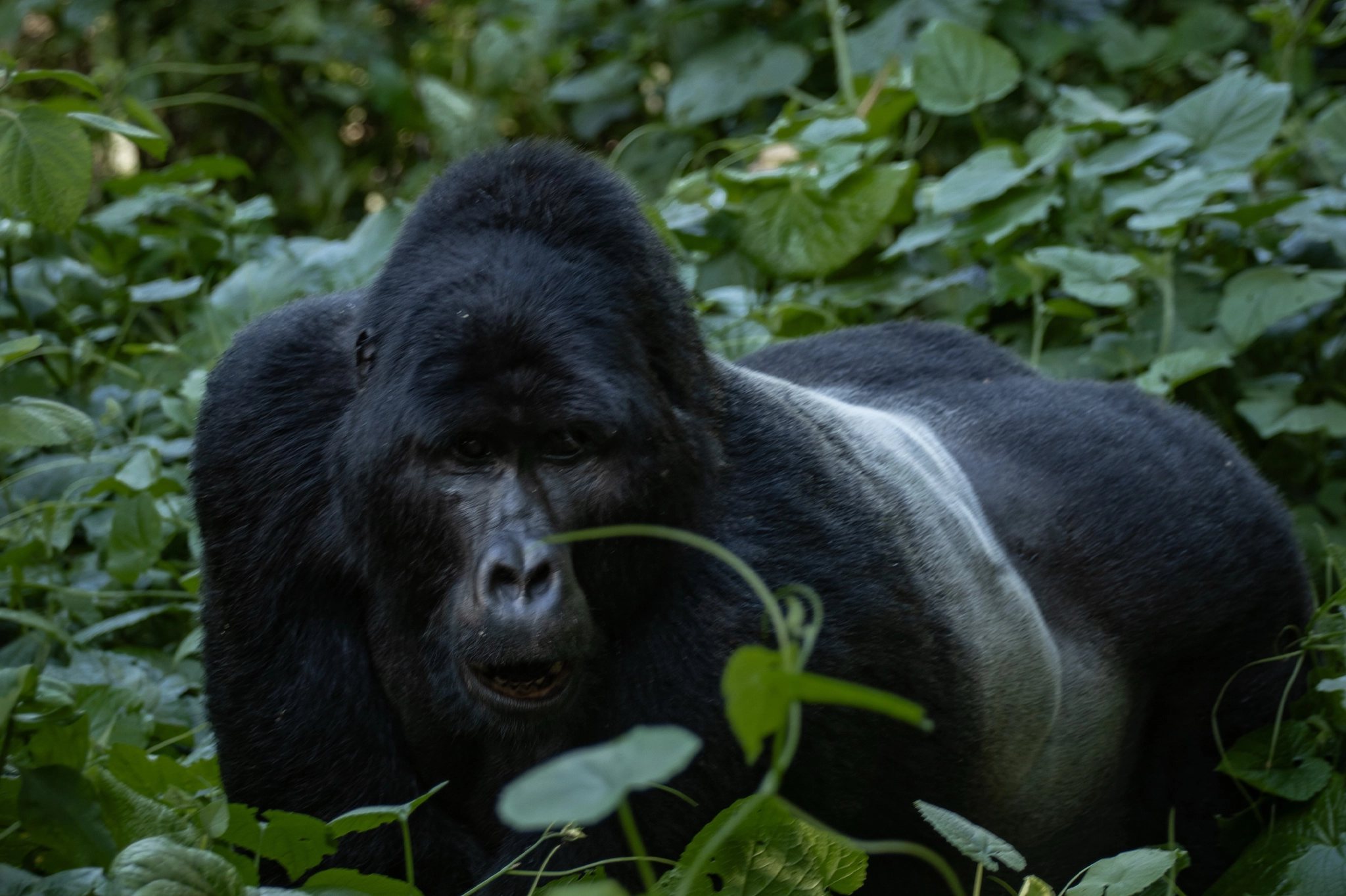
Volcanoes National Park is best known for its population of endangered mountain gorillas and remains one of the world’s premier destinations for gorilla trekking. The park protects a significant portion of the global mountain gorilla population, and decades of conservation efforts, research, and community involvement have contributed to a remarkable recovery in their numbers.

Several habituated gorilla families are available for trekking, allowing visitors to hike through the forest and spend a memorable hour observing these gentle giants in their natural habitat. Watching gorillas interact, feed, groom one another, and care for their young is a truly unforgettable wildlife experience and one of Africa’s greatest safari highlights.

Golden Monkeys
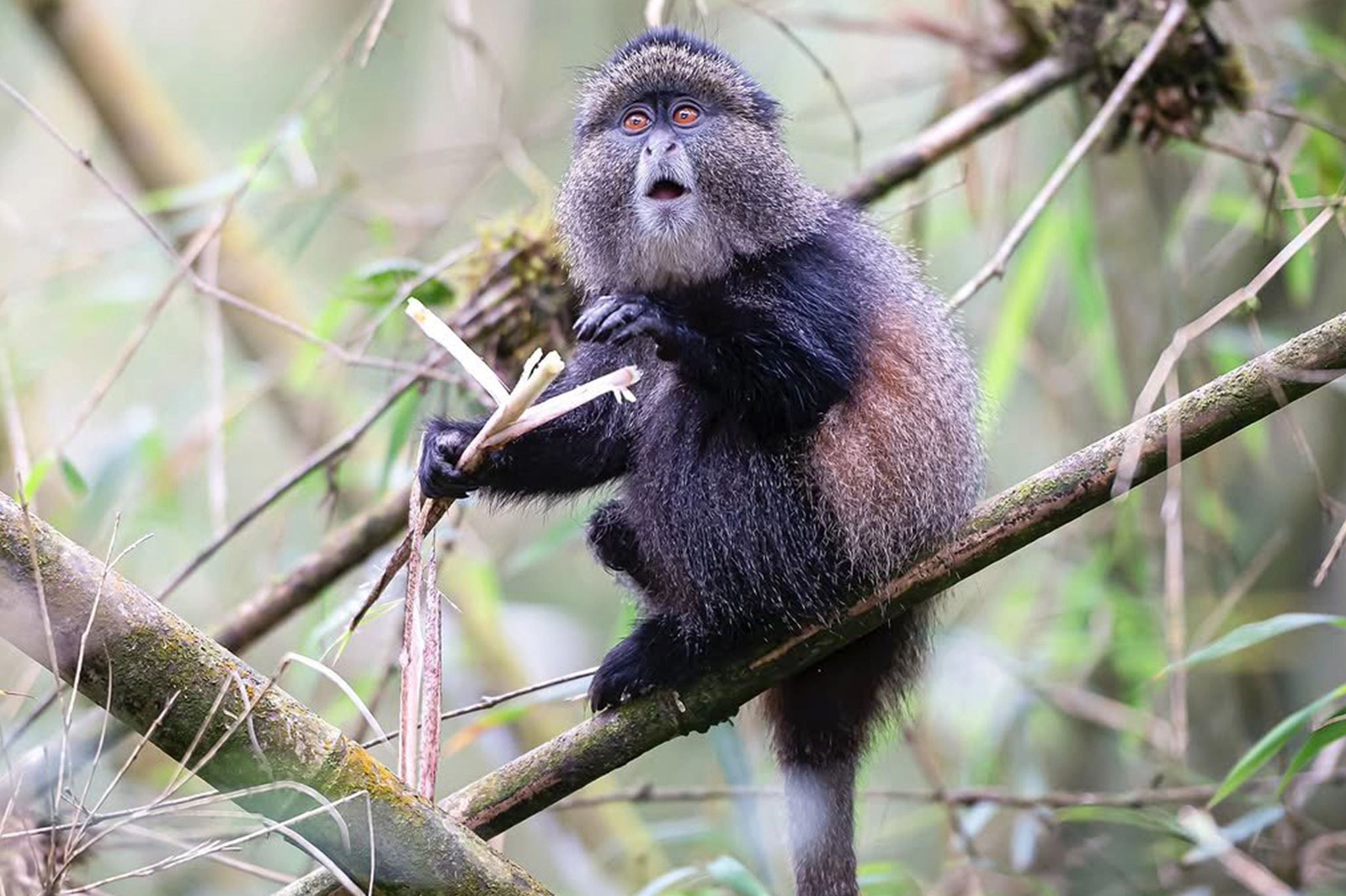
In addition to gorillas, Volcanoes National Park is one of the few places in the world where visitors can track the endangered golden monkey. These beautiful primates inhabit the bamboo forests on the lower slopes of the Virunga Mountains and are easily recognized by their vibrant golden-orange fur and playful behavior.

Golden monkey tracking offers an exciting and less strenuous alternative to gorilla trekking. Visitors often observe large groups moving energetically through the trees, feeding on bamboo shoots, and interacting with one another, providing excellent opportunities for photography and wildlife observation.

Other Wildlife

Although the dense forest makes wildlife sightings less frequent than in open savannah parks, Volcanoes National Park supports a variety of other mammals. Species found within the park include forest elephants, buffaloes, bushbucks, giant forest hogs, duikers, and several smaller mammals that inhabit the thick vegetation.

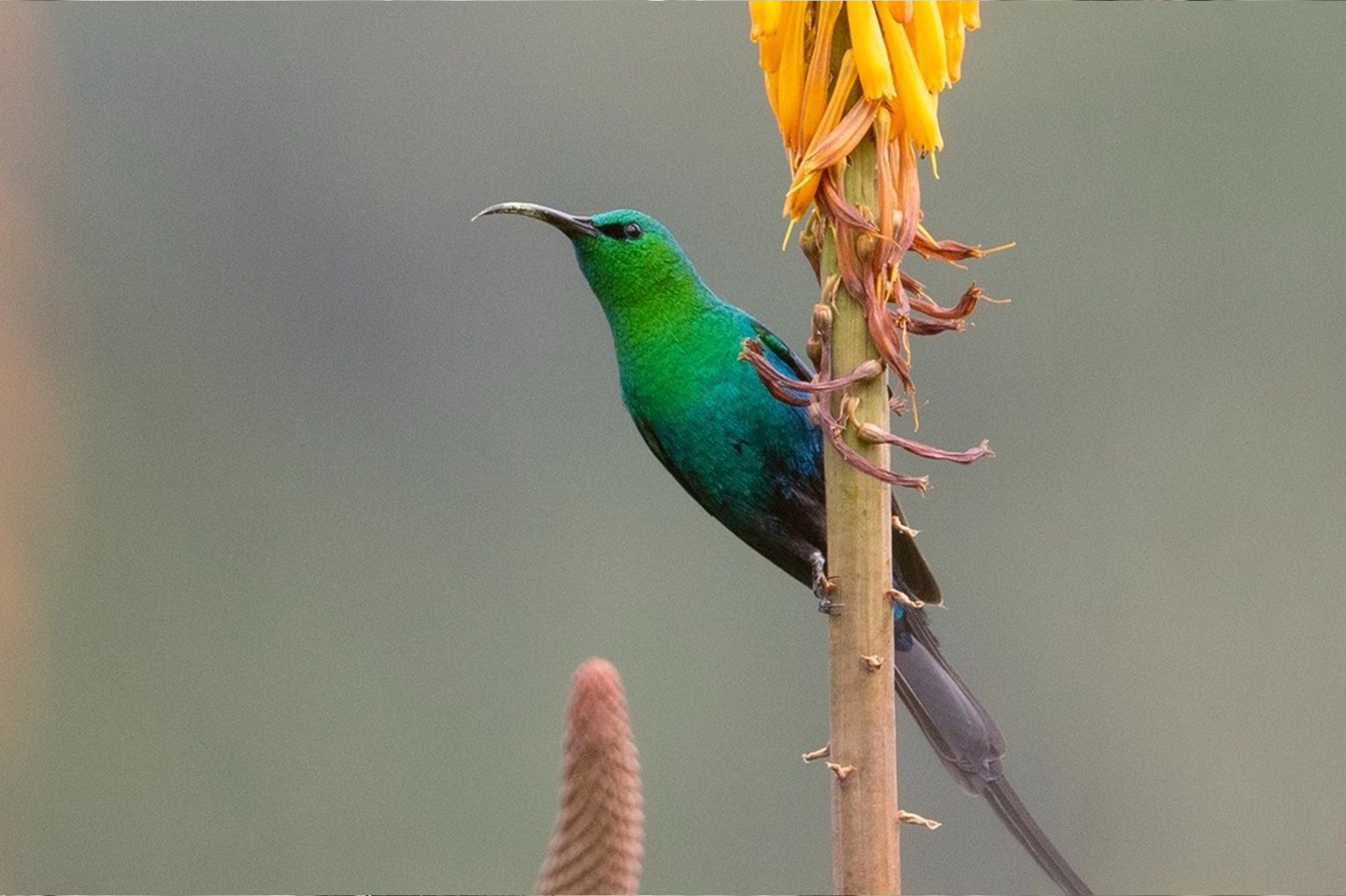
The park is also home to numerous bird species, including several Albertine Rift endemics, making it an attractive destination for birdwatchers. While many visitors come primarily for gorillas and golden monkeys, the park’s overall biodiversity adds to its appeal and highlights the importance of conserving this unique mountain ecosystem.
Things to Do in Volcanoes National Park Rwanda

Gorilla Trekking in Volcanoes National Park

Gorilla trekking is the highlight of any visit to Volcanoes National Park and one of the most extraordinary wildlife experiences on Earth. Every year, travelers from around the world visit Rwanda for the rare opportunity to observe endangered mountain gorillas in their natural habitat within the misty forests of the Virunga Mountains.
The adventure begins early in the morning at the park headquarters in Kinigi, where visitors receive a detailed briefing on trekking procedures, gorilla behavior, and conservation guidelines. Guests are then assigned to a specific habituated gorilla family based on factors such as fitness level, group size, and trekking preferences before setting off into the forest accompanied by experienced guides and trackers.

The trek itself can take anywhere from one to several hours depending on the location of the gorilla family. As visitors hike through bamboo forests, dense vegetation, and mountain slopes, guides share fascinating insights about the park’s ecology, wildlife, and conservation efforts. The anticipation builds with every step until the moment the gorillas are found.

Once a gorilla family is located, visitors are allowed to spend one unforgettable hour observing them from a safe distance. During this time, it is common to witness silverbacks calmly watching over their groups, mothers caring for their infants, playful juveniles climbing trees and wrestling with one another, and family members feeding, grooming, and interacting naturally. The close encounter with these gentle giants is often described as emotional, humbling, and life-changing, creating memories that last a lifetime.

Golden Monkey Tracking

Golden monkey tracking is another popular wildlife experience offered within Volcanoes National Park and provides an excellent complement to gorilla trekking. The park is one of the few places in the world where these endangered primates can be observed in their natural environment.

Unlike gorilla trekking, golden monkey tracking generally involves shorter and less physically demanding hikes through the park’s bamboo forests. Accompanied by knowledgeable guides, visitors follow habituated troops as they move through the vegetation in search of food. Golden monkeys are known for their energetic behavior, playful nature, and striking golden-orange fur, which stands out beautifully against the green forest backdrop.

The experience offers excellent photography opportunities and allows visitors to observe the monkeys feeding on bamboo shoots, leaping between branches, and interacting within their social groups. For travelers interested in primates, golden monkey tracking provides a rewarding and unique wildlife encounter.

Hiking the Virunga Volcanoes

For adventurous travelers, Volcanoes National Park offers some of Rwanda’s most spectacular hiking experiences. The park’s volcanic peaks provide challenging treks, breathtaking scenery, and unforgettable views across the Virunga Mountain range.

Mount Bisoke Hike

Mount Bisoke is one of the most popular volcano hikes in Rwanda. The trail passes through lush rainforest and bamboo forests before reaching the summit at approximately 3,711 meters above sea level. At the top, hikers are rewarded with stunning views of a beautiful crater lake nestled within the volcano. The hike typically takes a full day and offers excellent opportunities to experience the park’s diverse landscapes and wildlife.

Mount Karisimbi Trek

Standing at 4,507 meters, Mount Karisimbi is the highest volcano in the Virunga range and the fifth-highest mountain in Africa. Climbing Karisimbi is a challenging two-day trek that takes hikers through several vegetation zones, from dense forest to alpine meadows. The summit offers spectacular panoramic views of the surrounding volcanoes, valleys, and neighboring countries, making it a favorite adventure for experienced hikers.

Mount Muhabura Hike

Mount Muhabura, rising to 4,127 meters, offers another rewarding challenge. Although the hike is steep and demanding, the summit provides incredible views stretching across Rwanda, Uganda, and the Democratic Republic of Congo. On clear days, visitors can admire multiple volcanic peaks and the stunning landscapes of the Virunga region.

Dian Fossey Tomb and Research Center Hike

One of the most meaningful experiences in Volcanoes National Park is the hike to the Dian Fossey Tomb and the former Karisoke Research Center. Dian Fossey was a pioneering primatologist whose dedication to mountain gorilla conservation helped bring global attention to the species and significantly contributed to its protection.

The hike leads visitors through beautiful forest scenery to the site where Fossey conducted her groundbreaking research for nearly two decades. Along the way, guides share stories about her work, conservation challenges, and the history of gorilla protection in the region.

At the site, visitors can see the remains of the former research center and Fossey’s grave, located alongside several gorillas she worked tirelessly to protect. The experience offers a deeper appreciation of the conservation efforts that have helped save mountain gorillas from extinction and remains one of the park’s most inspiring activities.

Birdwatching in Volcanoes National Park

Volcanoes National Park is also a rewarding destination for birdwatchers. The park supports over 200 bird species, including several rare Albertine Rift endemics that attract bird enthusiasts from around the world.

Its varied habitats, ranging from bamboo forests and montane rainforest to alpine vegetation, provide ideal conditions for a wide range of birdlife. Notable species found in the park include the colorful Rwenzori Turaco, Handsome Francolin, Archer’s Robin-Chat, Dusky Crimsonwing, and Strange Weaver.

Birdwatching can be enjoyed during guided forest walks, gorilla treks, and volcano hikes, allowing visitors to combine birding with other wildlife experiences while exploring the park’s diverse ecosystems.

Cultural Experiences Around Volcanoes National Park

Beyond its wildlife and scenic beauty, Volcanoes National Park also offers visitors the opportunity to experience Rwanda’s rich cultural heritage through community-based tourism initiatives surrounding the park.

Iby’Iwacu Cultural Village

One of the most popular cultural attractions is the Iby’Iwacu Cultural Village, where visitors can learn about traditional Rwandan life through interactive experiences. Guests can enjoy traditional music and dance performances, listen to local storytelling, explore traditional homes, and participate in demonstrations of cultural practices, hunting techniques, and craft-making.

Community Walks

Guided community walks provide a more personal insight into daily life in rural Rwanda. Visitors can explore local villages, visit farms, meet community members, and learn about traditional farming methods, local customs, and conservation projects that support both people and wildlife.

These cultural experiences not only enrich a visit to Volcanoes National Park but also help generate income for local communities, strengthening the connection between conservation and sustainable tourism.

Where to Stay in Volcanoes National Park

Volcanoes National Park offers a wide range of accommodation options to suit different budgets and travel styles, from world-class luxury lodges to comfortable mid-range properties and budget-friendly guesthouses. Most accommodations are located near Kinigi, the main gateway to the park, providing convenient access to gorilla trekking and other activities.

Luxury Lodges

Singita Kwitonda Lodge

Singita Kwitonda Lodge is one of the most luxurious safari lodges in Africa and a top choice for travelers seeking an exclusive gorilla trekking experience. Located on the edge of Volcanoes National Park, the lodge features beautifully designed suites with private heated plunge pools, fireplaces, and breathtaking views of the Virunga Mountains. Guests enjoy exceptional personalized service, gourmet dining, wellness treatments, and guided conservation experiences, making it one of Rwanda’s premier luxury retreats.

Bisate Lodge

Perched on the slopes of an eroded volcanic cone, Bisate Lodge is renowned for its distinctive architecture, environmental sustainability, and spectacular views of the surrounding volcanoes. The lodge’s spacious forest villas combine luxury with eco-friendly design, creating a unique and intimate atmosphere. Guests can enjoy fine dining, guided nature walks, conservation activities, and easy access to gorilla trekking while surrounded by some of Rwanda’s most stunning scenery.

One&Only Gorilla’s Nest

Nestled among eucalyptus trees and lush gardens near the park boundary, One&Only Gorilla’s Nest offers a tranquil luxury retreat in the heart of the Virunga region. The lodge features elegant rooms and suites, a wellness spa, fitness facilities, and exceptional dining experiences. Its peaceful setting and personalized service make it an ideal base for gorilla trekking, golden monkey tracking, and exploring the surrounding mountains.

Mid-Range Lodges

Mountain Gorilla View Lodge

Mountain Gorilla View Lodge is one of the most popular mid-range accommodations near Volcanoes National Park. The lodge offers comfortable stone cottages with private verandas overlooking the surrounding countryside and volcanic peaks. Its convenient location close to the park headquarters makes early morning departures for gorilla trekking easy and stress-free.
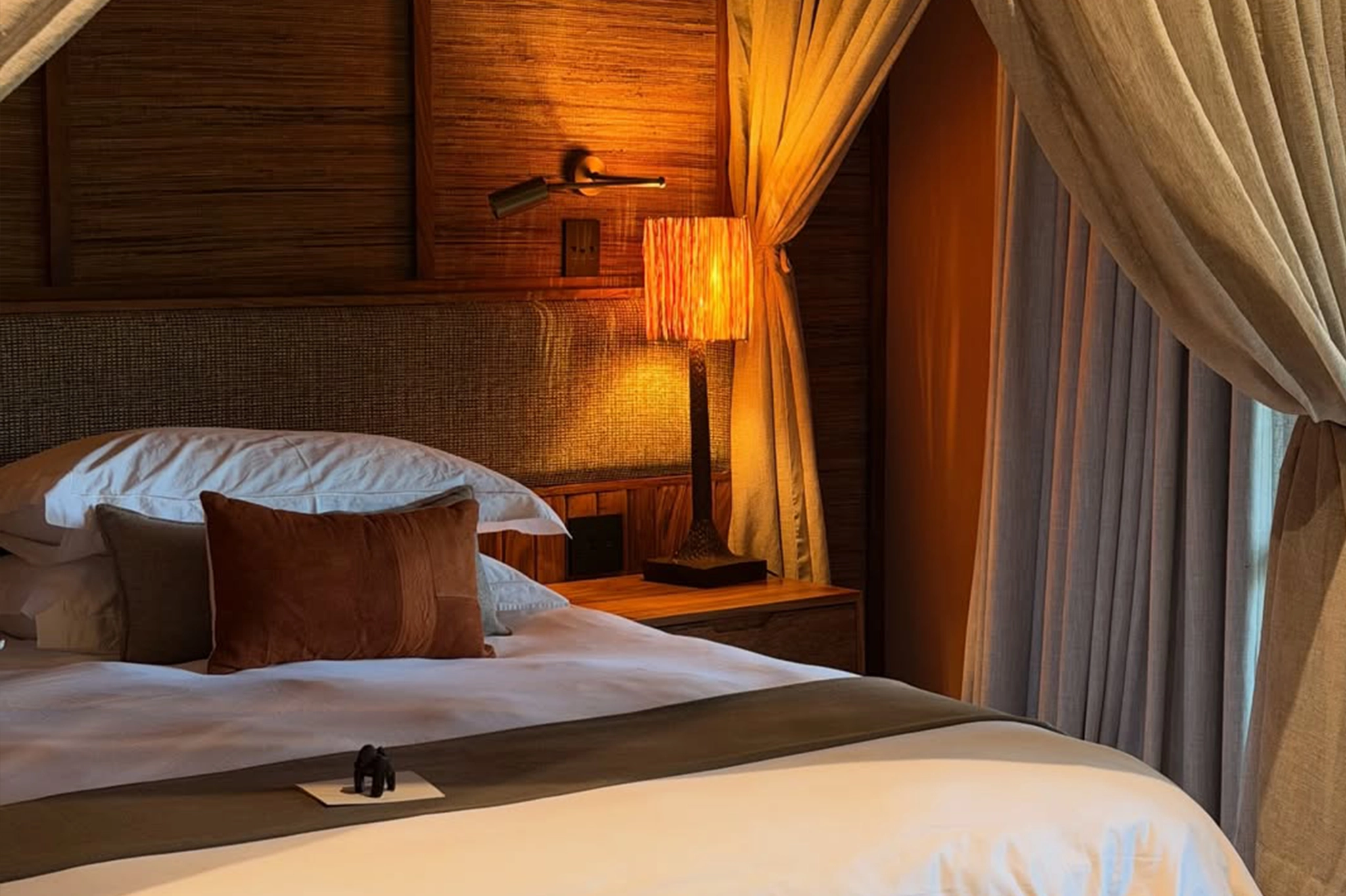
Le Bambou Gorilla Lodge

Located just a short distance from the park entrance, Le Bambou Gorilla Lodge provides comfortable accommodation in a peaceful setting. The lodge features spacious cottages, beautiful gardens, and warm hospitality. It is a popular choice for travelers looking for good value, comfortable facilities, and easy access to the park’s major attractions.

Budget Accommodation

Travelers on a tighter budget will find several affordable guesthouses, lodges, and community-run accommodations around Kinigi and Musanze. These properties offer clean and comfortable rooms, basic amenities, and convenient access to Volcanoes National Park. While simpler than luxury lodges, they provide excellent value for visitors whose primary focus is experiencing gorilla trekking and other park activities without significantly increasing travel costs.

Whether you choose a luxury safari lodge, a comfortable mid-range property, or a budget-friendly guesthouse, staying near Volcanoes National Park ensures easy access to one of Africa’s most extraordinary wildlife destinations.

Best Time to Visit Volcanoes National Park

Volcanoes National Park is a year-round destination, and gorilla trekking takes place every day regardless of the season. However, weather conditions can significantly influence trekking experiences, trail conditions, wildlife viewing, and photography opportunities. The best time to visit largely depends on your preferences and travel style.

Dry Seasons (June to September & December to February)

The dry seasons are generally considered the best times to visit Volcanoes National Park, particularly for gorilla trekking and hiking activities. During these months, rainfall is less frequent, resulting in drier and more manageable forest trails. Hiking conditions are generally easier, especially on the steep slopes of the Virunga Mountains, making treks more comfortable for visitors.

The clearer weather also provides better visibility of the surrounding volcanoes and forest landscapes, creating excellent conditions for photography. Wildlife viewing is often more rewarding, and outdoor activities such as golden monkey tracking, volcano hikes, and the Dian Fossey Tomb hike can be enjoyed with fewer weather-related disruptions. Because these months are the most popular travel periods, it is advisable to book gorilla permits and accommodation well in advance.

Wet Seasons (March to May & October to November)

The rainy seasons transform Volcanoes National Park into a lush, vibrant rainforest filled with rich greenery and dramatic mist-covered scenery. While trekking trails can become muddy, slippery, and more physically demanding, the forest is at its most beautiful during these months.

The wet season also brings fewer visitors, creating a quieter and more exclusive experience for travelers. Photographers often appreciate the vibrant landscapes, while birdwatchers benefit from increased bird activity. Accommodation availability is generally better, and some lodges may offer lower rates compared to the peak dry season.

Regardless of when you visit, Volcanoes National Park offers unforgettable wildlife encounters, breathtaking scenery, and one of the world’s most remarkable gorilla trekking experiences.

How to Get to Volcanoes National Park

Volcanoes National Park is one of the most accessible gorilla trekking destinations in Africa. Located in Rwanda’s Northern Province, the park lies about 116 kilometers from Kigali and can be reached in approximately 2 to 3 hours by road.

The drive from Kigali passes through Rwanda’s scenic countryside, offering views of rolling hills, farmland, and local villages. Well-maintained roads make the journey comfortable and straightforward throughout the year.

Visitors can reach the park by private transfer, guided safari vehicle, or self-drive rental car. Many travelers include Volcanoes National Park in a broader Rwanda itinerary, often combining it with destinations such as Kigali City, Lake Kivu, Nyungwe Forest National Park, and Akagera National Park. Its proximity to Kigali makes it ideal for both short and extended Rwanda safaris.

Travel Tips for Visiting Volcanoes National Park

  • Book gorilla permits well in advance, especially during peak seasons.
  • Wear sturdy hiking boots and long-sleeved clothing.
  • Carry a waterproof jacket, as weather conditions can change quickly.
  • Bring a camera with extra batteries.
  • Follow all guide instructions during trekking activities.
  • Maintain the required distance from gorillas and other wildlife.

Final Thoughts

Volcanoes National Park is one of Africa’s most remarkable wildlife destinations, offering unforgettable gorilla encounters, dramatic volcanic landscapes, unique primate experiences, and rich cultural interactions. Whether you are trekking through bamboo forests in search of mountain gorillas, hiking a volcanic peak, tracking golden monkeys, or learning about the legacy of Dian Fossey, every moment spent in the park is memorable.

For travelers seeking a world-class gorilla trekking experience combined with exceptional conservation, scenery, and accessibility, Volcanoes National Park stands as one of Rwanda’s greatest natural treasures and a must-visit destination in East Africa.

Frequently Asked Questions (FAQ) About Volcanoes National Park

Where is Volcanoes National Park located?

Volcanoes National Park is located in northern Rwanda, near the border with Uganda and the Democratic Republic of Congo. It is approximately 116 kilometers from Kigali and can be reached in about 2 to 3 hours by road.

What is Volcanoes National Park famous for?

The park is best known for mountain gorilla trekking. It is one of the world’s leading destinations for observing endangered mountain gorillas in their natural habitat and is also famous for golden monkey tracking and volcano hiking.

How much does a gorilla trekking permit cost in Rwanda?

A Rwanda gorilla trekking permit costs USD 1,500 per person for foreign non-residents. The permit includes one hour with a habituated gorilla family.

How difficult is gorilla trekking in Volcanoes National Park?

The difficulty varies depending on the location of the assigned gorilla family. Some treks may take only a few hours, while others can involve longer hikes through steep and forested terrain. A moderate level of fitness is recommended.

Can I see golden monkeys in Volcanoes National Park?

Yes. Volcanoes National Park is one of the best places in Africa to see endangered golden monkeys. Guided golden monkey tracking excursions are available throughout the year.

What is the best time to visit Volcanoes National Park?

The best time to visit is during the dry seasons from June to September and December to February, when trails are less muddy and trekking conditions are generally easier.

How many days do I need in Volcanoes National Park?

A stay of 2 to 3 days is ideal for most visitors. This allows enough time for gorilla trekking and additional activities such as golden monkey tracking, cultural visits, or hiking.

What should I pack for gorilla trekking?

Essential items include sturdy hiking boots, long trousers, a long-sleeved shirt, a waterproof jacket, gardening gloves, insect repellent, sunscreen, a hat, and a camera.

Are children allowed to go gorilla trekking?

Only visitors aged 15 years and above are permitted to participate in gorilla trekking activities in Rwanda.

Can Volcanoes National Park be combined with other Rwanda destinations?

Yes. Many travelers combine Volcanoes National Park with Kigali City, Lake Kivu, Nyungwe Forest National Park, and Akagera National Park for a complete Rwanda safari experience.